
Insights · design · 7 min read
Rooflight or roof lantern? Choosing light from above
LUSO Architecture
CIAT Chartered Practice · 27 October 2026
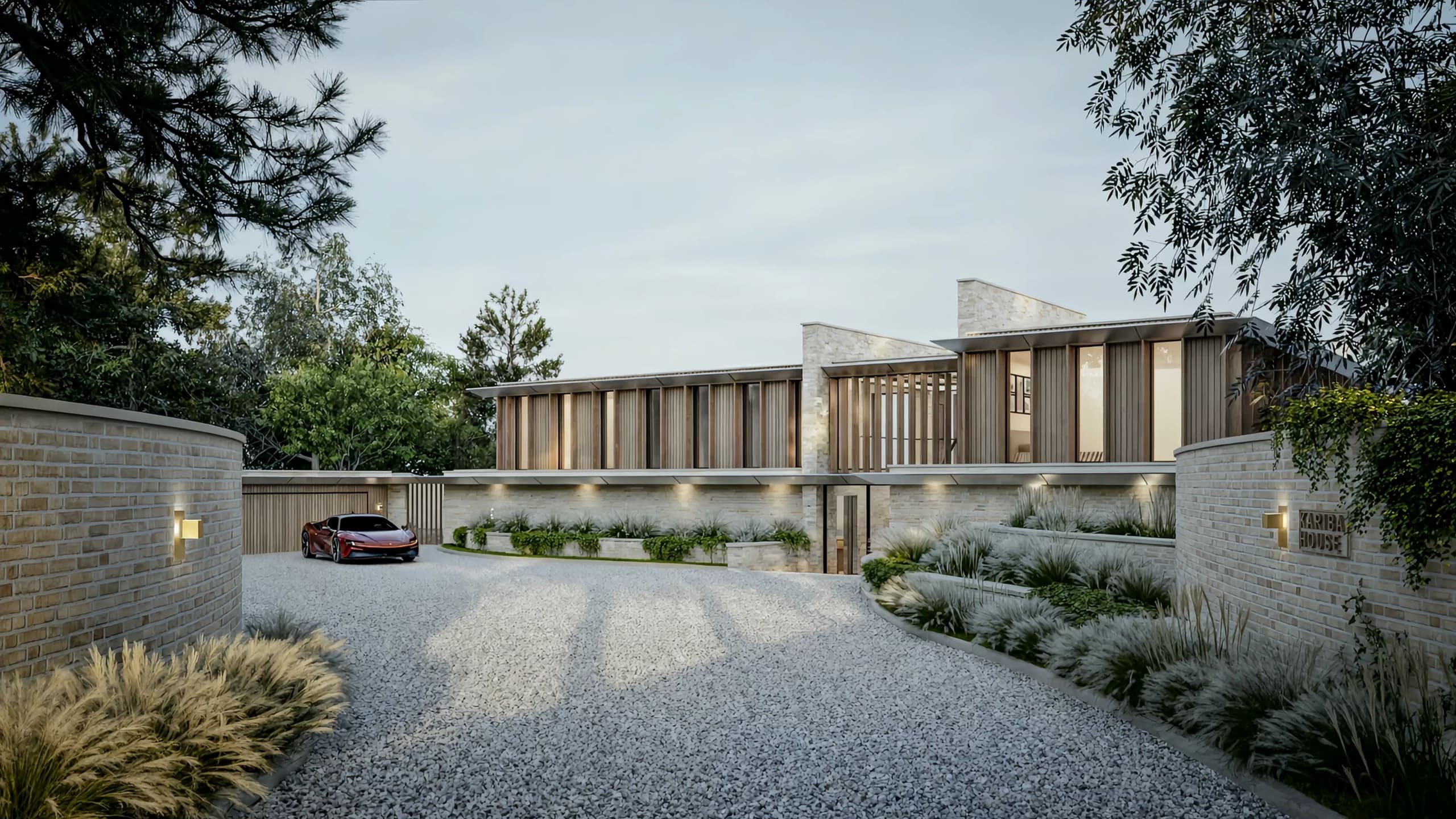
Light that arrives from above behaves differently from light that comes through a wall. It is steadier, it reaches further into a deep plan, and it changes the character of a room more than its size would suggest. That is why the choice between a rooflight, a roof lantern and a glazed gable deserves more thought than a line on a specification. Each one shapes the ceiling, the proportion of the room and the way it feels at different times of day.
The useful question is rarely "which looks best". It is "what is this room for, and where does the light need to land?"
Three different instruments
A flat or pitched rooflight sits in the plane of the roof. It is a framed opening, often flush or close to flush, that reads from inside as a clean aperture in the ceiling.
A roof lantern rises above the roofline as a small glazed structure, usually hipped or pyramidal, with glazing on its sloping faces and sometimes on upright sides. It creates a volume within the ceiling, a lightwell you can look up into.
A glazed gable is the end of a pitched roof filled with glass, so the triangle of the roof becomes a window. It brings light from above and from the side at once, and it frames a view as much as it lights a room.
They are not interchangeable. Choosing well begins with understanding what each does to a space.
The rooflight: precision and restraint
A well-detailed rooflight is the most understated of the three. Set into a flat roof extension, it lets the ceiling remain a calm, continuous plane, punctured exactly where light is needed: over a kitchen island, along the back wall of a deep room, above a stair.
That precision is its strength. A long, narrow rooflight running along the junction between an extension and the existing house can wash the old rear wall with light, which helps the darker middle of the plan. A series of smaller openings can give rhythm to a corridor or a dining space.
The trade-off is that a rooflight gives light without much sense of sky. You see the opening rather than the view. In rooms where the ceiling is low, that restraint is usually right. In a generous room, it can feel a little thin.
The roof lantern: a room within the room
A lantern adds height. Light enters through its sides and top and falls down a short shaft, so the room gains a sense of upward space that a flat ceiling cannot give. In a kitchen or dining extension, a lantern centred over the table becomes a focus, almost a piece of furniture in the ceiling.
It has a more traditional character, which can suit a Victorian or Edwardian house where a crisp frameless rooflight would look out of place. It can also look heavy if it is oversized or poorly proportioned against the room below. A lantern should be sized to the room and the furniture beneath it, not to the largest unit available.
Lanterns are also more visible from outside. On a single-storey rear extension that is seldom an issue. Where neighbours look down onto the roof, or where the roofscape matters, it is a consideration.
The glazed gable: light with a view
A glazed gable is a statement. It suits a pitched-roof extension or a new garden wing where the roof form is part of the architecture, and where there is something worth looking at: a garden, a tree line, open heath or water.
Because it faces one direction, orientation matters more here than with any other option. A south or west-facing gable can fill a room with low evening sun, which is wonderful in spring and testing in August. A north-facing gable gives soft, even light that suits a studio or a living space used through the day.
It also asks more of the structure. Removing the solid triangle of a gable changes how the roof is held up, and the frame that replaces it will be part of what you see. That frame should be drawn with care, not left to the supplier.
The questions that decide it
A handful of questions usually settles the choice:
- How high is the ceiling, and can it change? A low flat roof favours a rooflight. A vaulted or pitched roof opens the door to a gable or a larger lantern.
- Where does light need to land? Over a worktop, against a wall, into the middle of the house. Draw the light before you choose the glass.
- Is there a view worth framing? If yes, a gable or a vertical element earns its place. If the view upward is only sky and gutters, a rooflight may be the cleaner answer.
- Which way does the roof face? Orientation shapes heat and glare as much as brightness. Our piece on house orientation and natural light explains why this comes first.
- What will the house next door see? Overlooking works both ways, and glazing at roof level can glow at night.
- Who will clean it? Access for maintenance is easy to overlook and tedious to fix later, particularly near the coast where a salt film builds up on glass.
Heat, glare and the summer afternoon
Glazing in a roof receives more direct sun than glazing in a wall, especially in summer when the sun is high. A generous overhead opening above a south-facing kitchen can make a room uncomfortable by mid afternoon.
The answers are design answers first: orientation, size, position, and whether the glass sees the sun at its strongest. Then come the specifications: solar control coatings, integrated or external blinds, and openable units that let warm air escape at the highest point of the room. An opening rooflight placed high can draw air through the house in a way a fixed one never will.
Winter matters too. A large area of glass can lose heat and, if the junction with the roof is poorly detailed, gather condensation. The upstand, the insulation around it and the way the frame meets the roof build-up are where performance is won or lost.
Planning and building regulations
Rooflights and lanterns can affect whether an extension falls within permitted development, how it is treated in a conservation area, and how it is viewed in sensitive locations such as the New Forest National Park. The rules depend on the house, the roof and the location, so check with your local planning authority (BCP Council, New Forest District Council or the New Forest National Park Authority, depending on where you live) before assuming anything.
Building regulations also have a say. Overhead glazing counts towards the energy performance of the extension, and current guidance considers overheating as well as heat loss. Safety glazing, structure and fire considerations can all come into it. These are reasons to design the glazing as part of the whole, rather than adding it once the plans are drawn.
Choose by the room, not the catalogue. A rooflight suits a calm ceiling and precise light; a lantern adds height and a sense of occasion; a glazed gable frames a view and brings the most drama, along with the most heat. Decide where the light should land and which way the roof faces, and the right choice usually becomes clear.
The details that make it work
The difference between overhead glazing that feels considered and glazing that feels added on is almost always in the details.
Look at the inside first. How deep is the reveal between ceiling and glass? A splayed reveal spreads light more widely than a straight one. Is the frame visible, and if so, is it aligned with anything: the edge of an island, the line of a wall, the centre of a table? Small alignments make a room feel resolved.
Then consider the outside. From an upstairs window, a rooflight on a flat roof is part of the view. A neat upstand, a thoughtful roof finish around it and consistent frame colours keep it quiet.
Finally, think about the room at night. Overhead glass becomes a dark void after sunset. Integrated lighting in the reveal, or blinds that close to a clean plane, change how the space feels in the evening.
If you are planning an extension and weighing up light from above, good extensions and renovations design starts with these same questions: what the room is for, where the light should fall and how the roof should be shaped around it.